
 In this era, when discussions about government policies are so divisive, I believe we need civility and collaboration to build consensus about important policies that will shape the future of Narragansett. I am trained as a mediator and have successfully facilitated discussions about complex public policy issues that involved many people with different interests.
 Narragansett has long enjoyed a strong sense of community. This results from stable neighborhoods where residents know their neighbors and there is a low turnover of people living in houses. Even the town’s neighborhoods dominated by small one and two bedroom cottages have historically been used for summer homes and vacation homes by families that use them and know their neighbors. In recent years, Narragansett’s neighborhood stability has been threatened by increased ownership of houses by people who live out of town and are not connected with the community. Outside investors and absentee ownership of houses is increasing because Narragansett is a lucrative rental market. A 2024 report documents that less than ½ – only 44% – of Narragansett properties are owned by Narragansett residents.
Narragansett needs to adopt strategies that reduce neighborhood transience and that encourage residents to remain in town. The town also needs to implement initiatives to attract new year-round residents and keep housing affordable for families and area workers who want to move here.
One key strategy for retaining year-round residents and attracting new residents is maintaining and enhancing the quality of life in Narragansett. Core aspects of the town’s quality of life are our beaches, parks and playgrounds. These are outstanding outdoor recreation facilities for people of all ages. Narragansett should finish the bike path and establish a skate park to enhance our outdoor recreation resources. The bike path will not only contribute to the quality of life for residents, but will enhance the local economy by attracting more people to town for outdoor recreation.
Another important asset for attracting families is Narragansett’s outstanding schools. It is essential that the town continue to invest in the schools to maintain a first-class education system for residents’ children. Our children are our future.
 Narragansett’s beautiful beaches, the Narrow River, coastal ponds and miles of scenic shoreline have attracted people for centuries. People come to fish and gather shellfish, swim, boat, live along the shore, visit, and spend summers. The town’s natural beauty is the foundation for our quality of life and our local economy. In turn, the rich history created by the people who have lived, worked and visited Narragansett is evident in our landscape with stone walls, and historic structures. Protecting Narragansett’s environment and historic resources must remain a top priority for the Town Council as stewards of this legacy. This is the heritage that we must safeguard for our residents, visitors and future generations.
 Narragansett has more senior residents than most communities. Some have lived in town their entire lives. Other residents retire in town after enjoying summer vacations here – sometimes in their family’s summer cottage. Narragansett must continue to take actions to support our senior citizens and enable them to age in place. Actions to support Narragansett’s senior residents include: keeping property taxes and utilities affordable for seniors on fixed incomes; having apartments with year-round leases that are affordable; maintaining free senior beach passes; continuing to partner with South Kingstown so senior citizens have access to their center; and fostering social networks and community programs that engage and support seniors facing the challenges of deteriorating and chronic health conditions. Narragansett should pursue the internationally recognized “age friendly” designation that is designed to help seniors “thrive” in place.
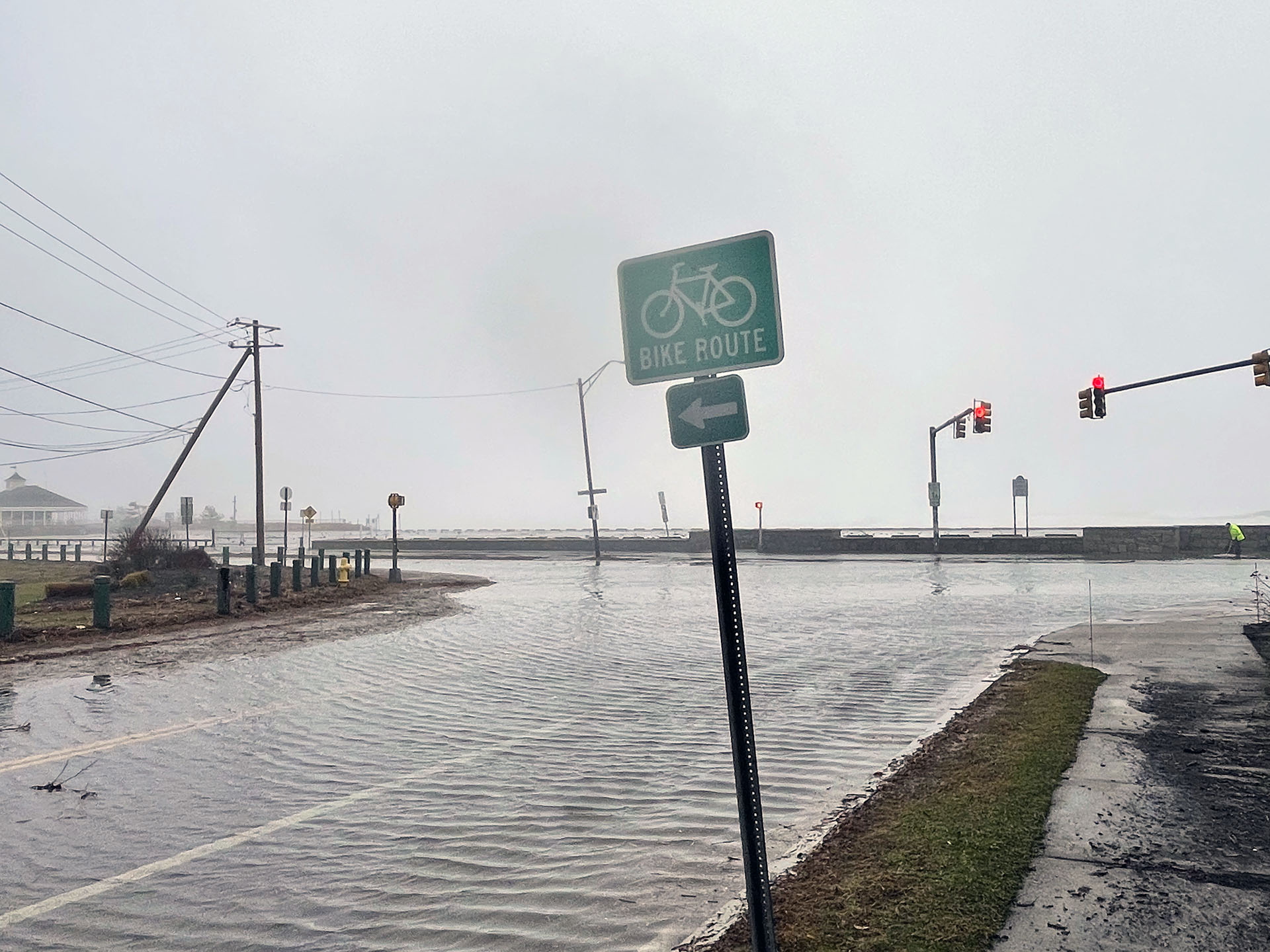 Climate change is impacting Narragansett with: more frequent and larger hurricanes, nor’easters and other coastal storms; rising sea level which is increasing flooding from coastal storms; droughts which strain the town’s water supply; and hot summer temperature spikes which create health problems for residents.
Narragansett must prepare for these impacts by:
- Having town systems in place to ensure the safety of residents and visitors during coastal storms and hot weather spikes. Plans must give particular attention to the most vulnerable members of our community.
- Continuing to insist that all new development and redevelopment is designed and built to avoid damage from coastal storms. Narragansett’s building code provisions to prevent damage from coastal storms are saving Narragansett property owners hundreds of dollars annually due to lower flood insurance rates.
- Designing and building any new or redeveloped town infrastructure to prevent impacts from climate change.
- Developing a long-term plan for retaining the town beach as sea levels rise. This is essential to maintaining the long term quality of life for residents as
well as maintaining our tourism economy.
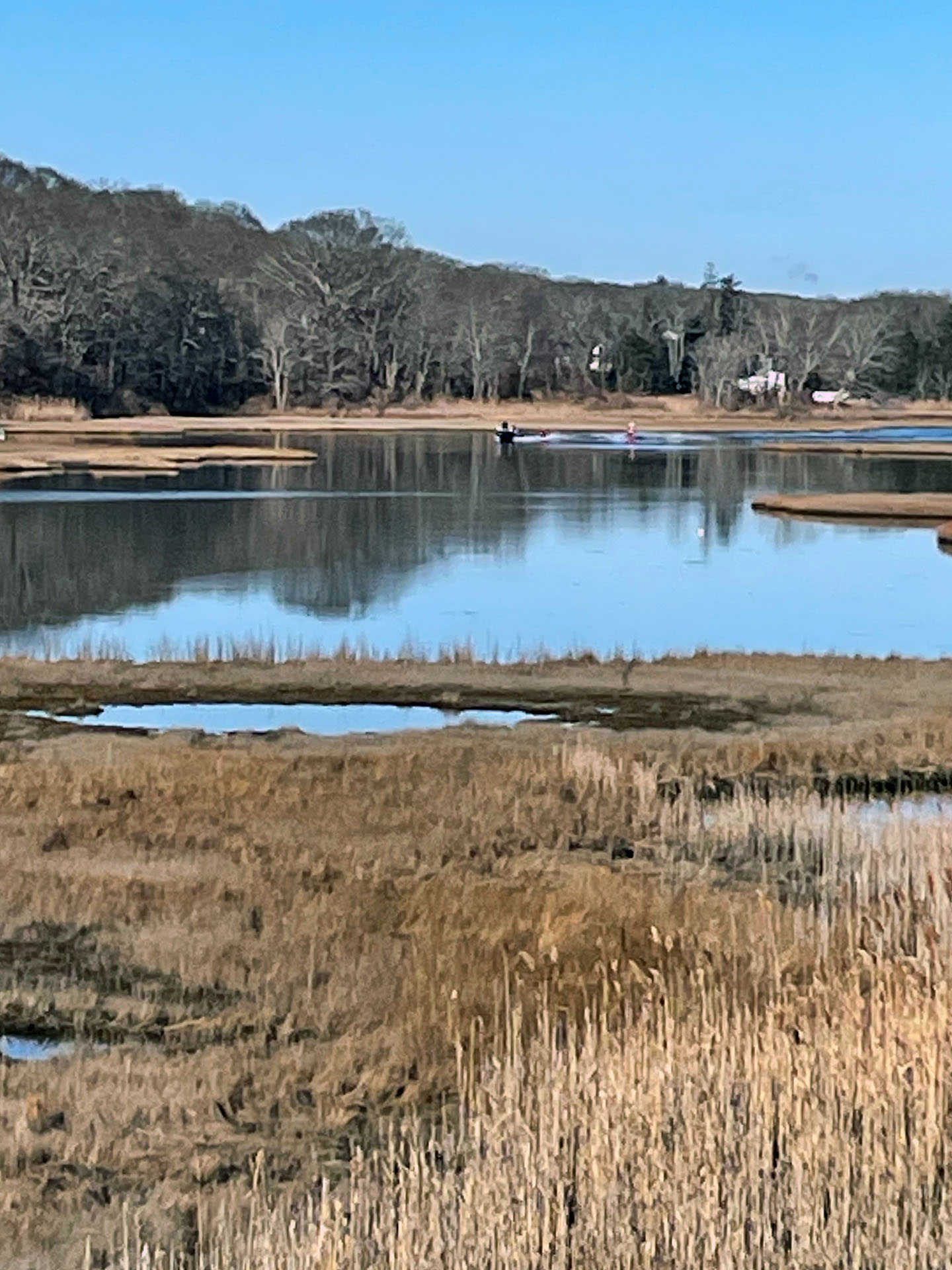 Narragansett’s water supply is from regional well water. Many residents depend on private wells for their water. In recent years, droughts have caused the town’s water supply to be strained during summer months as the town’s population swells with visitors and seasonal residents. Outdoor watering bans have been imposed because of high summer demand. The strain on the town’s water supply is being further increased by development of new and expanded houses. Small 1 and 2 bedroom summer cottages are being replaced by larger houses that accommodate more people. Narragansett must develop a long term plan for ensuring the town water system has adequate supply. This plan should include assessment of where the town’s water system will obtain water to meet demands. It should also consider strategies for managing and reducing water demand. Failure to manage and develop an adequate water supply system will result in more frequent and extensive water supply crises.
Narragansett’s wastewater is handled by two public sewer systems along with numerous properties that have septic systems and other individual or community wastewater treatment systems. The capacity of Narragansett’s public sewers is stressed by excess demand. To meet the existing demand, the town purchases additional capacity from URI. And septic systems and other individual wastewater treatment systems – especially in high-density communities along the shoreline – impact the water quality of coastal ponds and the Narrow River. The septic systems in some houses fail due to inadequate maintenance and high groundwater tables that are prevalent in much of Narragansett. As additional housing is built and existing houses are expanded, the town’s wastewater systems are stressed beyond capacity. The town must develop a long term plan for infrastructure to manage wastewater as the number of housing units increases and as houses with septic systems connect to the town’s sewer system. Failure to manage and improve the town’s system for managing wastewater will result in further pollution of Narrow River and salt ponds that will impact shellfish aquaculture and harvesting. Narragansett needs to proactively manage and improve the town’s wastewater system to avoid a large cost for retrofitting after a major problem develops.